 Manila Bay
Australian regulators approved a new clinical trial for SYNGAP1. CAMP4 Therapeutics received permission in late July. The therapy targets a rare genetic disease with no approved treatment.
The trial marks the first human test for this antisense oligonucleotide. It will test safety, efficacy, and dosing. Patients with SYNGAP1 suffer from epilepsy and neurodevelopmental delays.
SynGAP protein is crucial for brain development. It helps with learning and memory. The genetic mutation reduces protein production in patients.
Over 1,800 patients have been identified globally. The actual number is likely higher. SYNGAP1 mutations account for 1-2% of all intellectual disabilities.
Promising Preclinical Results
Preclinical studies showed positive outcomes. Primates had increased protein expression in the brain. Mouse models demonstrated improved seizure measures.
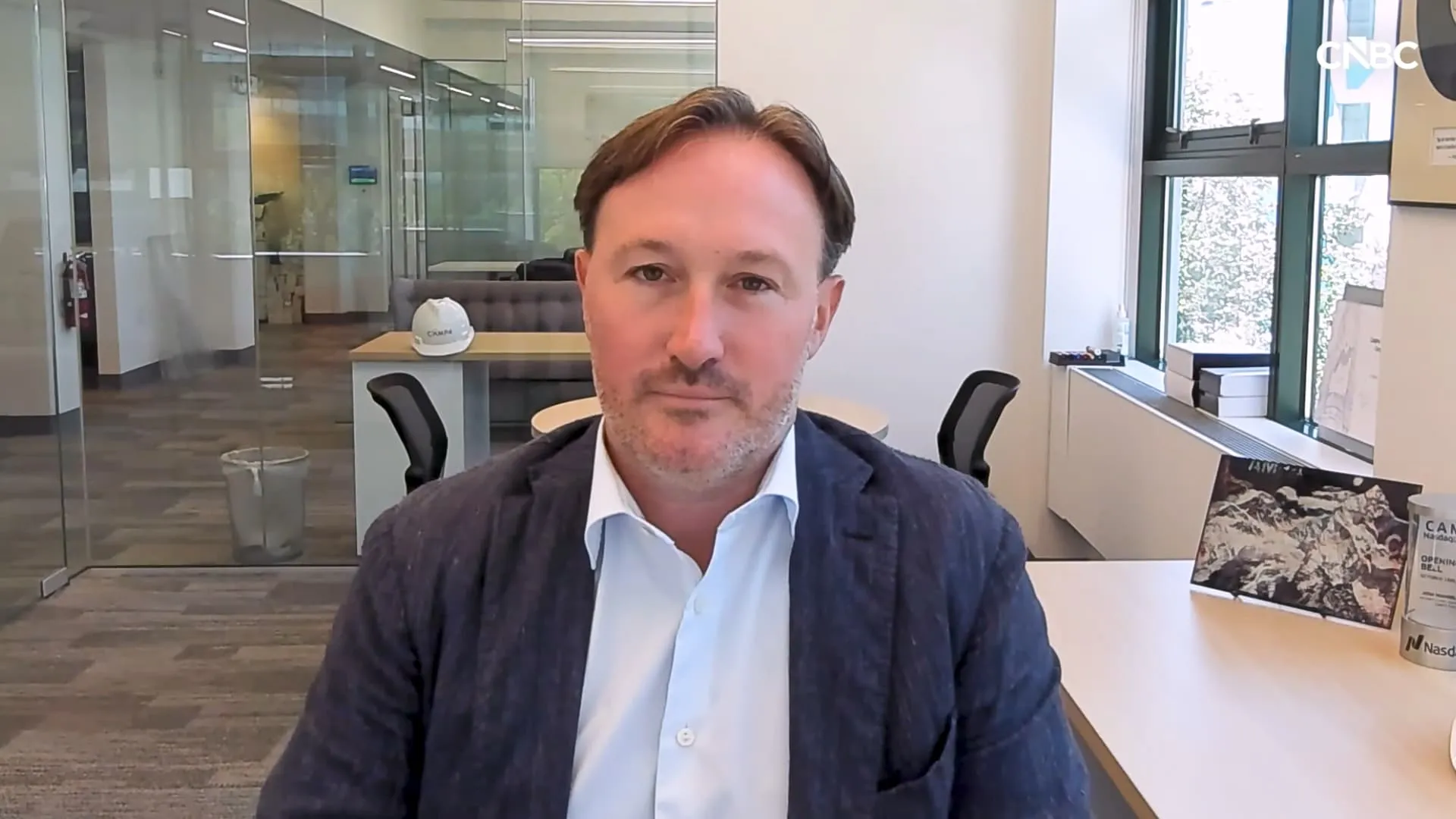
"Our treatment approach is meant to treat the underlying cause of Syngap1," said CAMP4 CEO Josh Mandel-Brehm. "We don't know exactly what to expect yet because nobody's ever done this before."
The trial will measure any sign of improvement. Success varies for different families. Some hope for reduced seizures while others want speech development.
Mandel-Brehm added that researchers will let data guide them. "We're not going to set a definition for success," he stated. The team prioritizes patient outcomes over rigid metrics.
Trial Design and Ethics
CAMP4 aims to enroll at least 30 patients across multiple locations. The trial targets children aged 2 to 18. Younger patients will receive priority in the strategy.
The study uses a double-blind model with placebos. Half the participants receive the ASO injection. The medication goes directly into cerebrospinal fluid through a lumbar puncture.
Placebo use in rare disease trials remains controversial. Patients often lack treatment options. FDA regulators recently scrutinized trials without placebos.
Mandel-Brehm believes the double-blind approach speeds approval. "Different regulatory agencies have different bars," he explained. "The goal is to get it on the market to help patients."
Patients receiving placebos can transition to the drug early. "We're not asking patients to only get a control and nothing else," Mandel-Brehm said. The company plans to treat patients throughout 2027.
Submit Comment