 Manila Bay
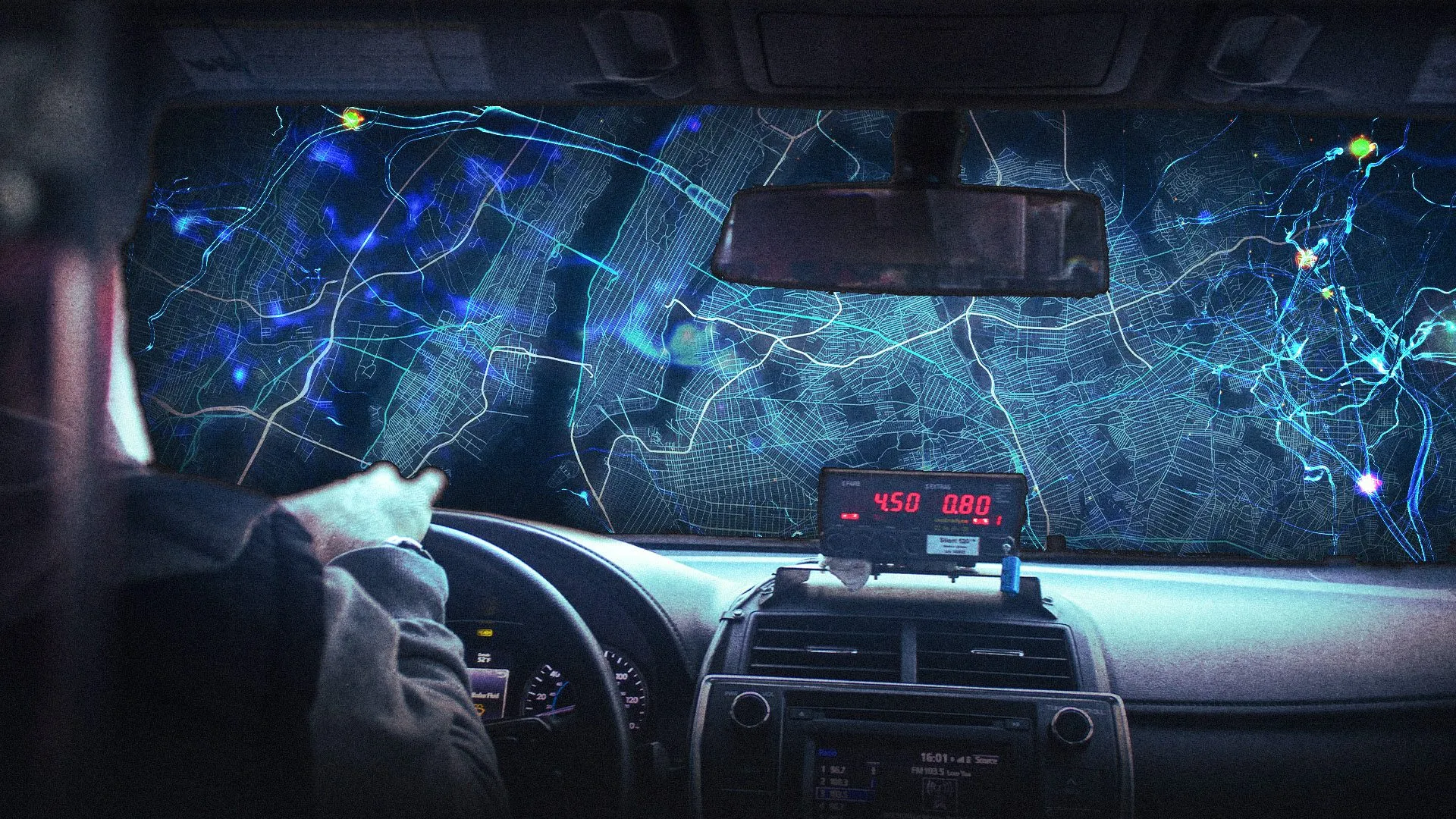
Taxi and ambulance drivers rarely die from Alzheimer's disease. A 2024 study examined 9 million US death certificates. The findings surprised researchers.
Only 1 in 100 taxi drivers died from Alzheimer's. The overall rate was 1 in 60. The difference is significant.
Grindr posts 33% Q2 revenue growth to $138 million. CEO credits AI strategy for productivity gains and stronger subscriber retention.
Read MoreEating disorder crisis in Philippines remains ignored by lawmakers. Patient struggles show systemic failure in treatment and legislative action.
Read MoreThe study covered 443 occupations from 2020 to 2022. Researchers adjusted for age, sex, and education. The pattern held across all groups.
Other driving jobs did not show the same benefit. Bus drivers and pilots had higher rates. The key factor was continuous real-time navigation.
Hippocampus Gets Stronger
The hippocampus controls memory and spatial navigation. Alzheimer's attacks this region first. Navigation work may strengthen it.
London taxi drivers provided key evidence in 2000. They memorize 25,000 streets for their license. The process takes three to four years.
Brain scans showed more gray matter in their hippocampus. The volume increased with experience. The change came from practice, not inheritance.
"The job itself does impact the brain," researchers concluded. The association between navigation and protection is clear. The brain adapts to demand.
Spatial Reasoning Protects Brain
Geospatial analysts and urban planners use spatial reasoning daily. They overlap data layers on maps. The work exercises similar brain circuits.
A 2023 study used machine learning on 22,500 people. Complex environments predicted lower Alzheimer's rates. The accuracy reached 84 percent.
Dense street networks and multiple path options help. These environments force active map building. The brain builds cognitive reserve.
Cognitive reserve explains different outcomes in patients. Two people with similar disease burden show different impairment. Brain exercise makes a difference.
Spatial reasoning can be trained through education. GIS and remote sensing programs are widely available. The value extends beyond technical skills.

Submit Comment